

On June 11, the LSI Asia 2025, one of the most influential life science industry events in the Asia-Pacific region, was grandly held in Singapore. Mrs. Julia Yuan, General Manager of CCRC Medtech, was invited to participate in two core sessions – “East Meets West” and the “Patchwork or Pathway-Navigating Regulatory Fragmentation in APAC” – drawing upon her extensive expertise in cross-border clinical research and Asia-Pacific regulatory affairs. Her participation not only demonstrated CCRC Medtech’s professional authority in the international medical device CRO field, but also provided valuable and practical insights for the medical device industry at this critical stage of innovation development and accelerating globalization.
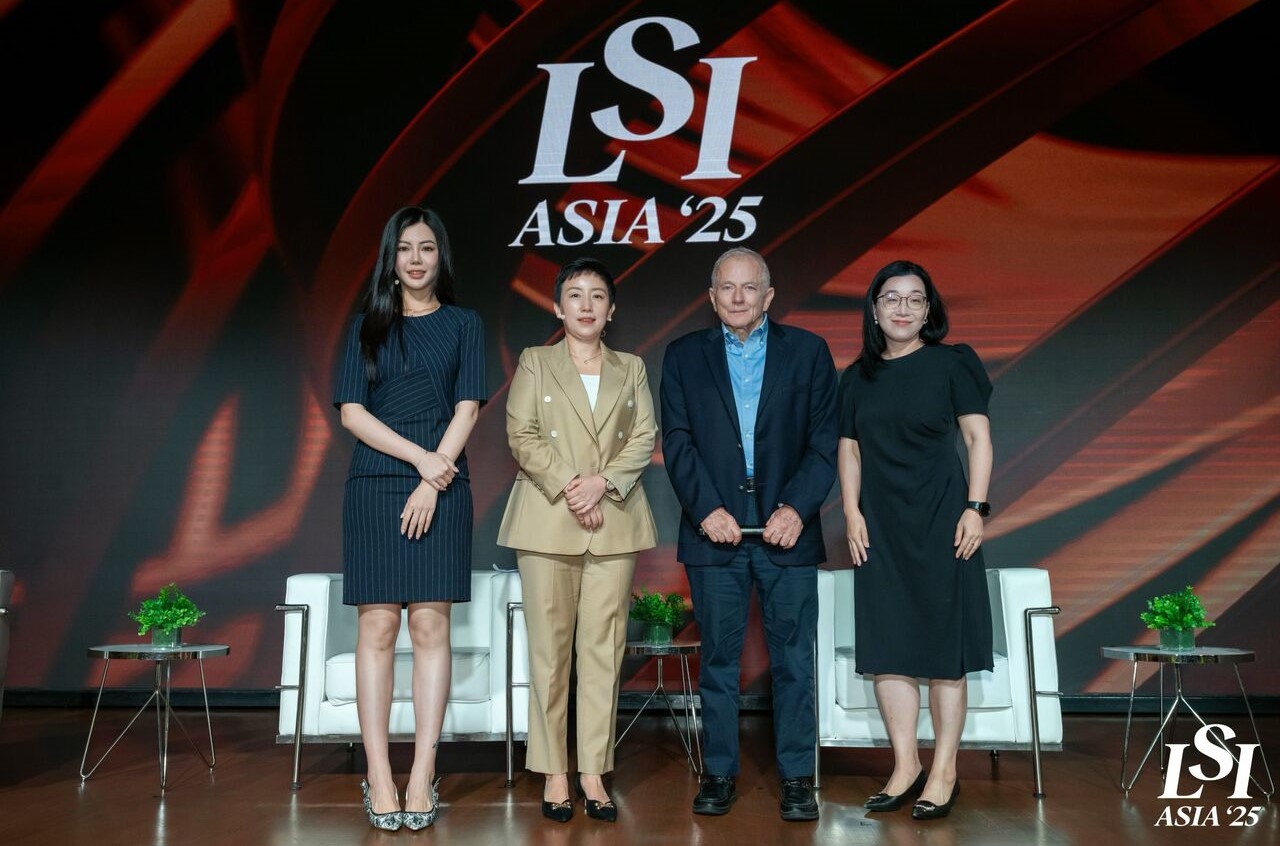

Professional Analysis of Two Core Themes: The Critical Rise of Asia-Pacific Markets and Regulatory Breakthrough Strategies
Currently, the Asia-Pacific region has become the main driver of growth in the global medical device industry due to its large population base, rapidly growing economic strength, and increasing healthcare demands. Industry research data shows that by 2025, the Asia-Pacific medical device market will reach $294 billion, accounting for 32% of global market share with an annual growth rate of 7.2%. With the continued rise in cardiovascular and chronic disease prevalence in the region, high-risk medical devices have become a key focus area for innovation and market expansion.

Mrs. Julia Yuan provided an in-depth analysis of significant regulatory differences in key markets including China, Japan, Australia and South Korea. She pointed out that each country has developed unique standards for labeling requirements due to differences in local languages, cultural practices and regulatory systems. For clinical trial requirements of high-risk devices, she highlighted challenges including local clinical data supplementation requirements, variations in trial design standards, and special technical testing requirements.
From a medical device manufacturer’s perspective, this regulatory fragmentation requires companies to adjust their R&D and registration processes according to different market requirements, leading to extended overall timelines. It also necessitates significant investment in establishing cross-regional compliance teams, conducting localized trials, and preparing multilingual submission materials, resulting in substantially higher compliance costs compared to single markets. The regulatory uncertainty also makes it difficult to develop unified global commercialization strategies, forcing companies to adopt differentiated approaches in different markets and adding complexity to strategic planning and execution. These have become major pain points for companies expanding internationally in the Asia-Pacific region, despite it being a core growth driver for the global medical device industry.
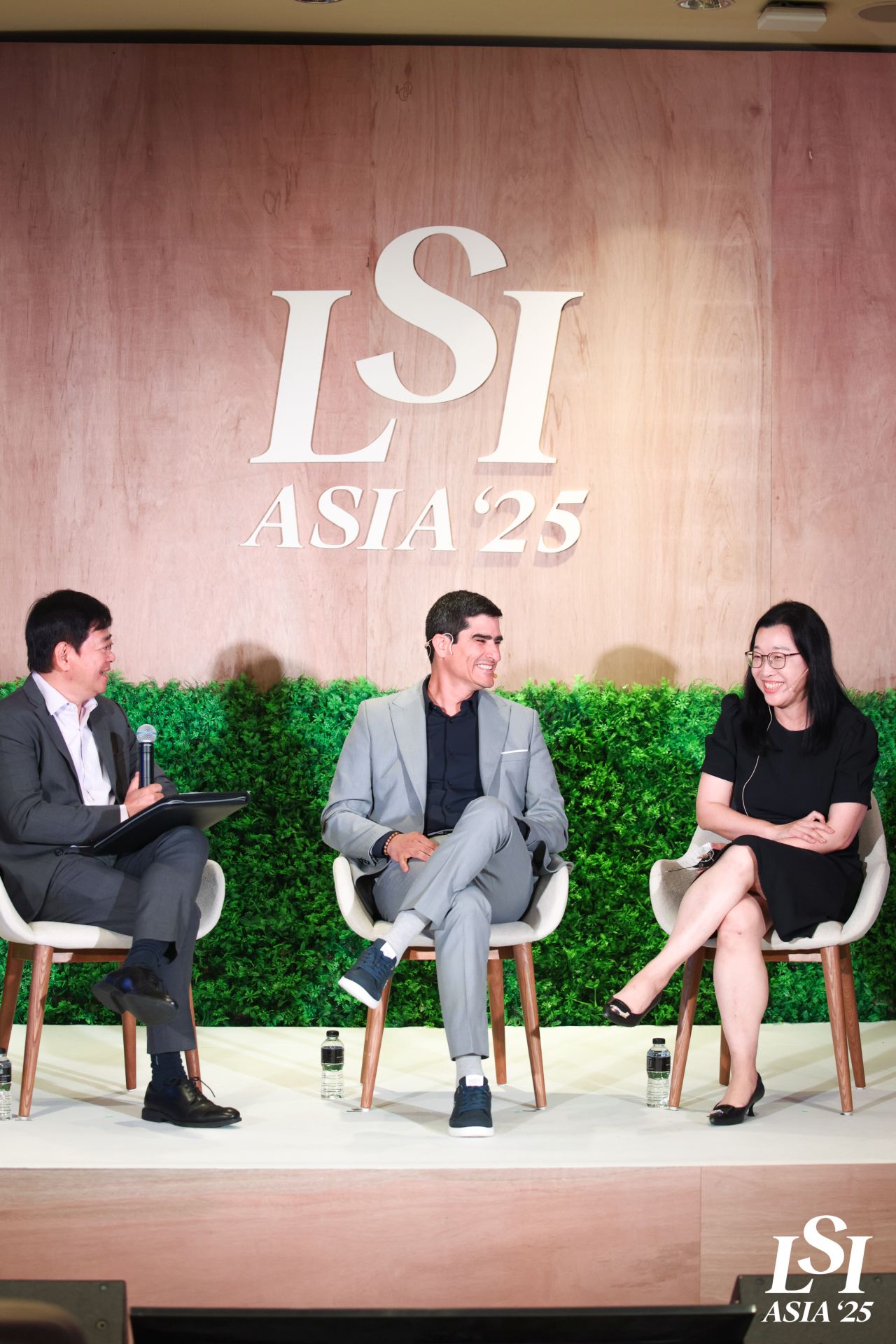
Facing these complex regulatory challenges, balancing rapid market entry with full compliance to each jurisdiction’s unique requirements is particularly crucial in developing and executing market access strategies. Mrs. Julia Yuan emphasized that companies cannot sacrifice compliance for speed, as this could lead to serious consequences including product recalls, fines, and reputational damage. She advised that companies should conduct thorough research on target market regulations during the early product development phase, incorporating various countries’ regulatory requirements into product design and development to achieve “one design, multiple compliance.” Simultaneously, by leveraging digital tools and big data analysis to monitor regulatory developments in real-time, companies can anticipate regulatory trends and adjust product strategies accordingly. Additionally, proactive communication with local regulators to establish good working relationships can help accelerate approval processes while ensuring compliance, thereby minimizing time-to-market.
Global Professional Empowerment: From Industry Dialogue to Future Ecosystem Building
Through her in-depth sharing at LSI Asia 2025, Mrs. Julia Yuan demonstrated CCRC Medtech’s systematic solution capabilities in cross-border medical device registration, multi-center clinical trial management, and Asia-Pacific regulatory coordination, outlining an ecosystem blueprint combining “unified technical standards with local adaptability.” She emphasized that with the emergence of new technologies like AI medical devices, surgical robots and digital therapies, the Asia-Pacific region is entering a critical window for regulatory coordination. Chinese CROs, with their deep understanding of both Eastern and Western regulatory systems, will play an increasingly important role in promoting regional mutual recognition mechanisms and supporting the globalization of local innovative devices. As reflected in the industry consensus at LSI Asia, professional medical device CROs like CCRC Medtech are providing core support through forward-looking regulatory strategies and international service networks to help global device companies break through Asia-Pacific regulatory barriers and realize regional value conversion of innovative technologies. Moving forward, CCRC Medtech will further strengthen cooperation with Asia-Pacific regulators and establish regional regulatory coordination platforms to help the industry achieve efficient breakthroughs in this fragmented regulatory environment.